
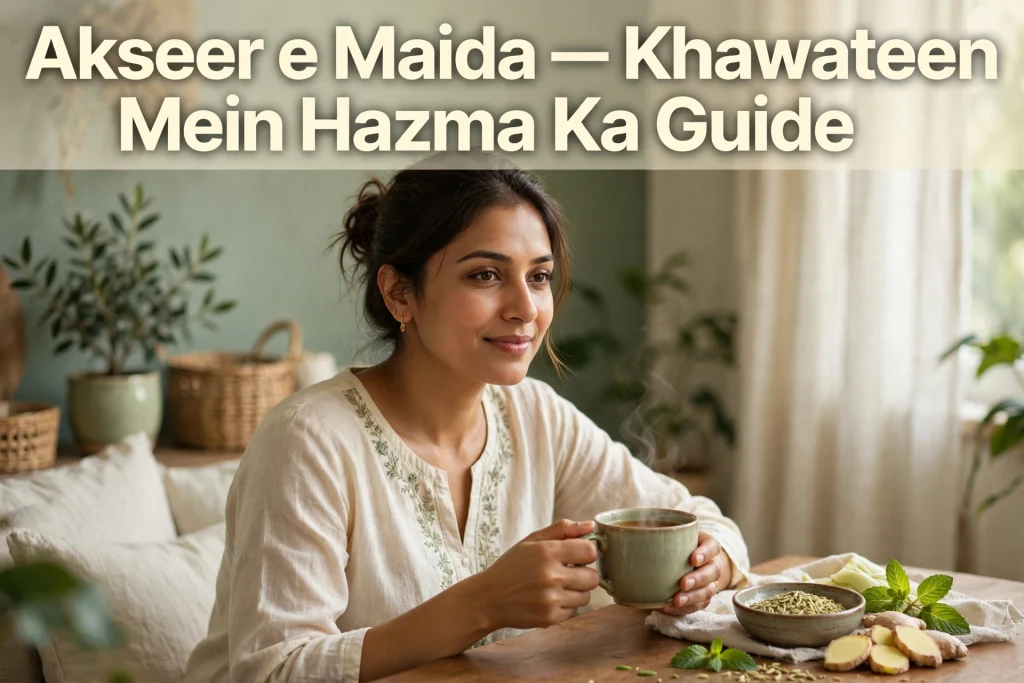
Akseer e Maida — Khawateen Mein Hazma Ka Guide
اکسیر معدہ — خواتین میں ہاضمہ کی رہنمائی
کھانے کے بعد پیٹ پھولنا، گیس، تیزابیت یا قبض — یہ شکایتیں خواتین میں بہت عام ہیں۔ تحقیق بتاتی ہے کہ خواتین میں معدے کے مسائل مردوں کے مقابلے میں تقریباً دگنے ہوتے ہیں، اور ہارمونز، تناؤ اور طرز زندگی ان میں اہم کردار ادا کرتے ہیں۔ اس مضمون میں ہم خواتین میں ہاضمے کے مسائل کی وجوہات، روزمرہ کی عادتوں اور اکسیر معدہ جیسے روایتی ہربل سپورٹ کے بارے میں تفصیل سے بات کریں گے۔
Akseer e maida for women is a traditional herbal safoof made to support everyday digestion — gas, heaviness after meals, sluggish bowels and acidity. Women face digestive problems about twice as often as men, and hormones, stress and eating habits all play a part. This guide explains why digestion goes wrong, what daily habits help, and how Akseer e Maida fits into a healthy routine.
Table of Contents
- Urdu Tafseel — مکمل تفصیل
- Akseer e Maida for Women in Detail
- Roman Urdu Mein Tafseel
- Frequently Asked Questions
Quick Facts
| Topic | Digestion support for women with Akseer e Maida |
|---|---|
| Best for | Women with gas, heaviness, acidity or constipation after meals |
| Key products | Akseer e Maida, Organic Weight Loss, Safoof Weight Gainer |
| Use | As part of a fibre-rich diet, enough water and regular meal times |
| Note | General information only — persistent pain, bleeding or weight loss needs a doctor |
Long.pk Se Related Products
Akseer e Maida
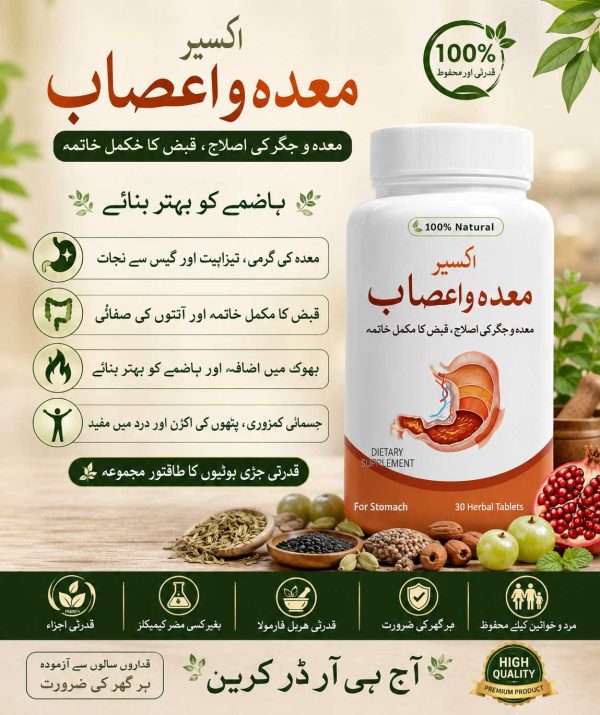
A classic herbal safoof for everyday digestion support — gas, heaviness and sluggish digestion.
Organic Weight Loss
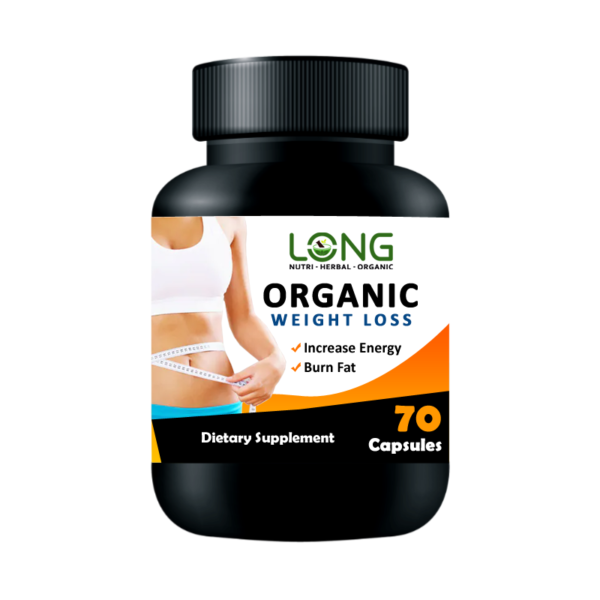
A herbal blend that supports healthy weight management alongside diet and daily movement.
اکسیر معدہ — خواتین میں ہاضمہ کی رہنمائی — مکمل تفصیل
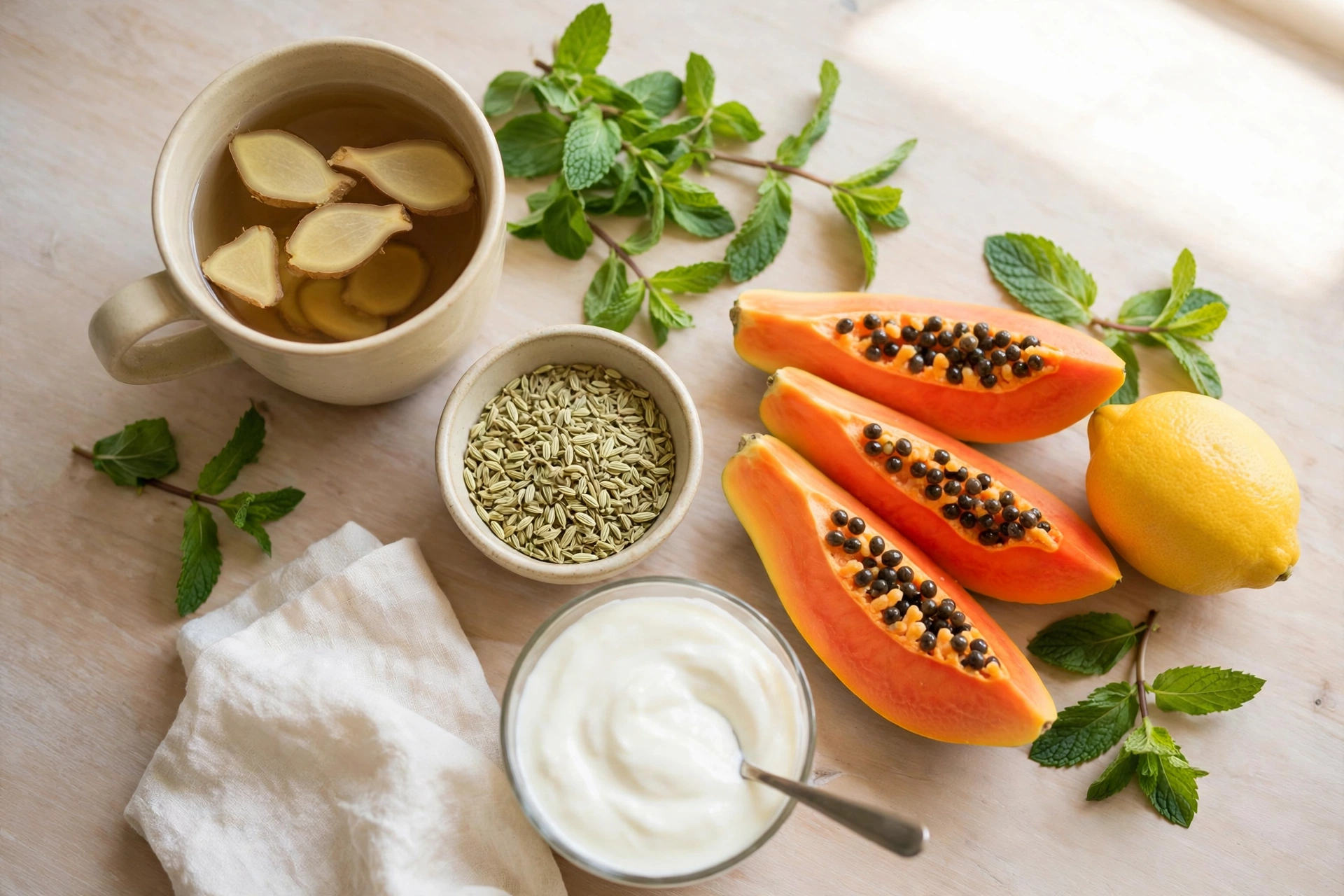
خواتین میں ہاضمے کے مسائل کیوں زیادہ ہوتے ہیں؟
یہ کوئی اتفاق نہیں کہ خواتین معدے کی شکایت زیادہ کرتی ہیں۔ تحقیق کے مطابق IBS (آنتوں کی خرابی) خواتین میں مردوں کے مقابلے میں تقریباً دگنی عام ہے، اور قبض کی شرح بھی خواتین میں زیادہ ہے — ایک بڑے برطانوی سروے میں 23 فیصد سے زیادہ خواتین نے قبض کی شکایت کی، جبکہ مردوں میں یہ شرح تقریباً 13 فیصد تھی۔
اس کی کئی وجوہات ہیں۔ خواتین کا ہاضمہ نظام مردوں کے مقابلے میں آہستہ کام کرتا ہے — کھانا آنتوں سے گزرنے میں زیادہ وقت لیتا ہے۔ ہارمونز بھی کردار ادا کرتے ہیں: پروجیسٹرون آنتوں کی حرکت کو سست کر دیتا ہے، اس لیے ماہواری سے پہلے اور حمل کے دوران قبض اور پیٹ پھولنا بڑھ جاتا ہے۔ تناؤ اور پریشانی بھی معدے کو براہ راست متاثر کرتی ہے — دماغ اور معدے کا گہرا تعلق ہے، اور اسی لیے پریشانی کے دنوں میں معدہ بھی خراب ہو جاتا ہے۔
عام ہاضمے کے مسائل
گیس اور پیٹ پھولنا: کھانے کے بعد پیٹ بھاری لگنا اور گیس بننا سب سے عام شکایت ہے۔ جلدی کھانا، باتیں کرتے ہوئے کھانا، یا گیس والی چیزیں — جیسے دالیں، بند گوبھی اور کاربونیٹڈ مشروبات — اس کی وجہ بنتی ہیں۔
تیزابیت: سینے میں جلن اور کھٹے ڈکار تیزابیت کی علامتیں ہیں۔ مرچ مصالحے والی چیزیں، چائے اور کافی زیادہ پینا، اور کھانے کے فوراً بعد لیٹ جانا تیزابیت بڑھاتا ہے۔
قبض: ہفتے میں تین بار سے کم پاخانہ آنا، یا سخت پاخانہ، قبض کہلاتا ہے۔ فائبر کی کمی، پانی کم پینا اور ورزش نہ کرنا اس کی اہم وجوہات ہیں۔ خواتین میں قبض والی IBS (IBS-C) زیادہ عام ہے — تقریباً 40 فیصد خواتین مریضوں میں، جبکہ مردوں میں یہ شرح تقریباً 21 فیصد ہے۔
بدہضمی: کھانے کے بعد بھاری پن، متلی یا پیٹ میں درد — اکثر زیادہ کھانے، جلدی کھانے یا چکنائی والی غذا سے ہوتا ہے۔
ہاضمہ بہتر کرنے کی روزمرہ عادتیں
اچھی خبر یہ ہے کہ زیادہ تر ہاضمے کے مسائل عادتوں سے بہتر ہو جاتے ہیں:
کھانا آہستہ آہستہ کھائیں: ہر نوالہ اچھی طرح چبائیں۔ ہاضمہ منہ سے شروع ہوتا ہے — جلدی کھانے سے کھانا ٹھیک طرح نہیں چبتا اور معدے پر بوجھ پڑتا ہے۔ وقت پر کھائیں: ناشتہ، دوپہر اور رات کا کھانا تقریباً ایک ہی وقت پر کھائیں۔ کھانا چھوڑنا یا بے وقت کھانا معدے کو خراب کرتا ہے۔ فائبر والی غذا کھائیں: سبزیاں، پھل، دالیں، سارا اناج اور چھلکے والی چیزیں آنتوں کی حرکت بہتر کرتی ہیں۔ فائبر آہستہ آہستہ بڑھائیں، ورنہ گیس بڑھ سکتی ہے۔
پانی کافی پئیں: خواتین کو روزانہ تقریباً 2.7 لیٹر مائعات کی ضرورت ہوتی ہے۔ فائبر پانی کے بغیر کام نہیں کرتا — پانی کم ہو تو قبض بڑھ جاتا ہے۔
کھانے کے بعد چلیں: کھانے کے بعد 10 سے 15 منٹ کی ہلکی چہل قدمی ہاضمے میں بہت مدد کرتی ہے۔ کھانے کے فوراً بعد لیٹنے سے تیزابیت بڑھتی ہے۔ تناؤ کم کریں: گہری سانس، ہلکی ورزش اور اچھی نیند معدے کو بھی سکون دیتی ہے۔
اکسیر معدہ کیا ہے؟
اکسیر معدہ ایک روایتی ہربل سفوف ہے جو معدے کی روزمرہ شکایتوں — گیس، بھاری پن، بدہضمی اور سست ہاضمے — میں مدد کے لیے بنایا گیا ہے۔ اس میں ایسی جڑی بوٹیاں شامل ہیں جو روایتی طب میں ہاضمہ بہتر کرنے کے لیے صدیوں سے استعمال ہوتی آئی ہیں۔ یہ کوئی تیز دوا نہیں — یہ ہاضمے کے نظام کو آہستہ آہستہ سہارا دیتا ہے۔
استعمال کا طریقہ سادہ ہے: سفوف کو پانی کے ساتھ کھانے کے بعد یا ڈاکٹر/حکیم کی ہدایت کے مطابق لیں۔ باقاعدگی ضروری ہے — ایک دو دن میں فرق محسوس نہ ہو تو مایوس نہ ہوں۔ اگر آپ حاملہ ہیں، دودھ پلا رہی ہیں، یا کوئی دوا لے رہی ہیں، تو پہلے ڈاکٹر سے مشورہ کریں۔
کن چیزوں سے پرہیز کریں
کچھ چیزیں ہاضمے کو براہ راست خراب کرتی ہیں: بہت زیادہ چائے اور کافی، تلی ہوئی اور مرچ مصالحے والی چیزیں، کاربونیٹڈ مشروبات، اور رات کو دیر سے بھاری کھانا۔ ان کو مکمل طور پر چھوڑنا ضروری نہیں، لیکن مقدار کم کرنا بہت فائدہ مند ہے۔ اگر کسی خاص چیز سے ہر بار تکلیف ہوتی ہے — جیسے دودھ یا دالیں — تو اسے کچھ دن چھوڑ کر دیکھیں کہ فرق پڑتا ہے یا نہیں۔
کب ڈاکٹر سے رجوع کریں؟
زیادہ تر ہاضمے کے مسائل عادتوں سے ٹھیک ہو جاتے ہیں، لیکن کچھ علامتیں ڈاکٹر کو دکھانا ضروری ہیں: پاخانے میں خون، اچانک وزن کم ہونا، مسلسل الٹی، نگلنے میں دشواری، یا پیٹ میں شدید درد۔ یہ علامتیں کسی سنگین مسئلے کی نشاندہی کر سکتی ہیں۔ شرم کی وجہ سے ان کو نظر انداز نہ کریں — ڈاکٹر روزانہ ایسے مریض دیکھتے ہیں۔
Akseer e Maida for Women in Detail
Digestive trouble is one of the most common complaints women bring to a doctor — and one of the least talked about at home. Bloating after meals, gas, acidity, constipation, a heavy feeling that lingers for hours: these are everyday problems, but they wear you down over weeks and months. Akseer e Maida is the traditional herbal support many women ask about first — but habits come first, and no powder replaces them.
The numbers explain why women feel it more. IBS affects about 10–15% of adults worldwide and is roughly twice as common in women as in men. Chronic constipation affects about 14% of adults and is also more common in women. In the ZOE “Big Poo Review” of more than 142,000 UK adults, over 23% of women reported constipation compared with about 13% of men, and 19.1% of women reported IBS versus about 10% of men.
A review in Mayo Clinic Proceedings found that functional dyspepsia and IBS together affect about 1 in 4 people in the United States, and that roughly a third of adults live with at least one gut symptom. You can read that review on the NIH’s PubMed Central site: Sex- and Gender-Related Differences in Common Functional Gastroenterologic Disorders.
Why women? Part of it is biology. Food moves more slowly through a woman’s gut — slower gastric emptying and slower colon transit are both more common in healthy women than in men. Hormones add to it: progesterone slows bowel movement, which is why constipation and bloating often get worse before a period and during pregnancy. Nearly a third of pregnant women report increased constipation, especially in the last trimester.
Stress is the third factor — the gut and the brain are closely linked, and anxiety shows up in the stomach before anywhere else. That is why a gentle support like Akseer e Maida is usually paired with habit changes, not used instead of them.
Gas and bloating usually come from eating too fast, talking while eating, or eating gas-forming foods such as lentils, cabbage and fizzy drinks. Acidity — burning in the chest, sour burps — is worsened by spicy food, too much tea and coffee, and lying down straight after a meal.
Constipation means fewer than three bowel movements a week or hard, difficult stools; low fibre, too little water and no exercise are the usual causes. Women with IBS are more likely to have the constipation-predominant type: about 40% of women with IBS versus 21% of men. Indigestion — heaviness, nausea or pain after eating — most often follows overeating, eating in a rush, or very fatty food.
Most of this improves with habits, not medicines:
Eat slowly and chew well. Digestion starts in the mouth. Eating in a rush puts undigested food into a stomach that is not ready for it. Eat at regular times. Skipping meals and eating at odd hours confuses the gut. Three regular meals, with small snacks if needed, work better than grazing all day. Eat fibre, and increase it gradually. Vegetables, fruit, lentils, whole grains and foods with their skins on keep the bowels moving. Adding fibre too fast can increase gas, so build up over a week or two.
Drink enough water. Women need about 2.7 litres of total fluids a day. Fibre without water makes constipation worse, not better. Walk after meals. A gentle 10–15 minute walk after eating helps digestion far more than lying down, which worsens acidity. Lower stress. Deep breathing, light exercise and good sleep calm the gut as well as the mind.
Akseer e Maida fits into this routine as traditional herbal support. It is a herbal powder made with ingredients long used in traditional medicine to support digestion — easing gas, heaviness and sluggish bowels. It is not a fast-acting drug; it supports the digestive system gradually, which is why regular use matters more than a single dose. Take it with water, after meals or as advised, and give it time. If you are pregnant, breastfeeding or taking medication, check with your doctor first.
Some foods are worth cutting back on: too much tea and coffee, fried and very spicy food, fizzy drinks, and heavy late-night meals. You do not have to give them up entirely — smaller amounts make a real difference. If one particular food always causes trouble, try leaving it out for a few days and see whether the symptoms ease. Akseer e Maida works best once these foods are already cut back — it supports digestion, it does not cancel out a heavy meal.
Digestion also connects to weight. Poor digestion can mean poor appetite and low weight, which is why some women pair Akseer e Maida with our Safoof Weight Gainer guide — a settled stomach is the first step to eating well. And if acidity is your main problem, our article on maida ki tezabiyat goes deeper into that specific issue.
Know when to see a doctor: blood in the stool, sudden weight loss, persistent vomiting, difficulty swallowing, or severe abdominal pain all need medical attention. Do not ignore them out of embarrassment — doctors see these problems every day, and early checks catch the few cases that need real treatment. Akseer e Maida is for everyday support only — it is not a treatment for any of these warning signs.
Facts & Figures
| Fact | Detail |
|---|---|
| IBS worldwide | About 10–15% of adults; about twice as common in women as in men |
| Chronic constipation | About 14% of adults; more common in women |
| ZOE Big Poo Review (142,768 UK adults) | Over 23% of women reported constipation vs about 13% of men; 19.1% of women reported IBS vs about 10% of men |
| IBS-C subtype | About 40% of women with IBS vs 21% of men have constipation-predominant IBS |
| Functional dyspepsia + IBS (US) | Together affect about 1 in 4 people; about a third of adults have at least one gut symptom |
| Constipation in pregnancy | Nearly a third of pregnant women, especially in the last trimester |
| Daily fluids for women | About 2.7 litres of total water a day from food and drinks |
Sources: Mayo Clinic Proceedings 2021 (PMC); UCLA Center for Neurobiology of Stress and Resilience; ZOE Health “Big Poo Review”; xcode.life IBS review.
Long.pk Se Related Products
Safoof Weight Gainer
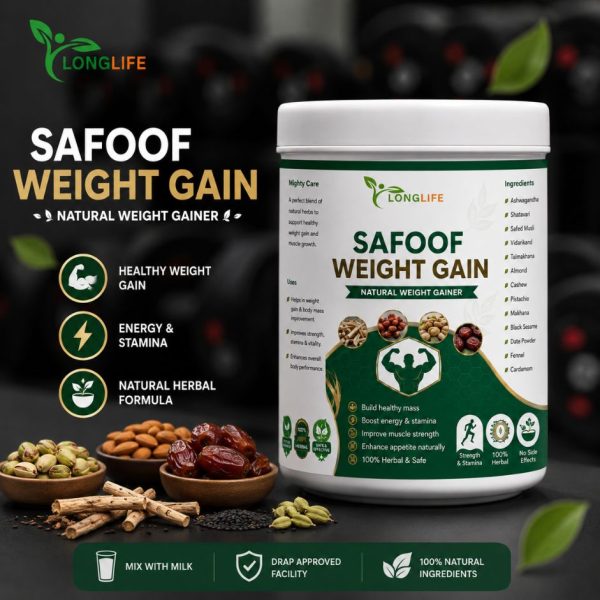
A traditional herbal safoof made to support healthy, gradual weight gain with a balanced diet.
Safoof Beuladi
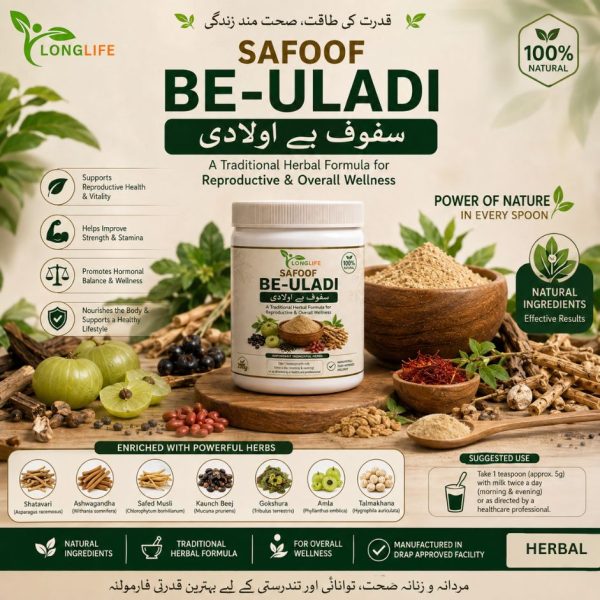
A traditional herbal safoof for women’s reproductive wellness and fertility support.
Roman Urdu Mein Tafseel
Khanay ke baad pait phoolna, gas, tezabiyat ya qabz — ye shikayatain khawateen mein bohat aam hain. Tehqeeq batati hai ke khawateen mein maida ke masail mardon ke muqablay mein taqreeban dugnay hotay hain. IBS taqreeban 10–15% baligh afraad ko mutasir karta hai aur khawateen mein mardon se taqreeban dugna aam hai. Qabz bhi khawateen mein zyada hai — aik baray British survey mein 23% se zyada khawateen ne qabz ki shikayat ki, jabke mardon mein ye sharah taqreeban 13% thi.
Is ki wajahain samajhna aasan hai. Khawateen ka hazma nizam mardon ke muqablay mein ahista kaam karta hai — khana aanton se guzarnay mein zyada waqt leta hai. Hormones bhi kirdar ada kartay hain: progesterone aanton ki harkat ko sust kar deta hai, is liye mahwari se pehle aur hamal ke dauran qabz aur pait phoolna barh jata hai. Hamal mein taqreeban aik tihai khawateen ko qabz ki shikayat barh jati hai. Tanao teesri wajah hai — dimagh aur maida ka gehra talluq hai, aur pareshani ke dinon mein maida bhi kharab ho jata hai.
Gas aur pait phoolna aam tor par jaldi khane, khate hue baatain karne, ya gas wali cheezain — jaise daalain, band gobhi aur fizzy drinks — khane se hota hai. Tezabiyat — seenay mein jalan, khattay dakaar — mirch masalay wali cheezon, zyada chai aur coffee, aur khanay ke foran baad laitne se barhti hai. Qabz ka matlab hai haftay mein 3 baar se kam pakhana aana ya sakht pakhana; fibre ki kami, pani kam peena aur exercise na karna is ki aam wajahain hain. Bad-hazmi — khanay ke baad bhari pan, matli ya dard — aksar zyada khane ya jaldi khane se hoti hai.
Zyada tar masail aadaton se behtar ho jatay hain:
Khana ahista ahista khayen aur achi tarah chabayen. Hazma munh se shuru hota hai. Waqt par khayen. Khana chhorna ya be-waqt khana maida ko kharab karta hai. Fibre wali ghiza khayen — sabziyan, phal, daalain, saara anaaj. Fibre ahista ahista barhayen. Pani kaafi piyen. Khawateen ko rozana taqreeban 2.7 litre maya ki zaroorat hoti hai. Fibre pani ke baghair qabz barha deta hai. Khanay ke baad chalien. 10 se 15 minute ki halki chal-qadmi hazme mein bohat madad karti hai. Tanao kam karein. Gehri saans, halki exercise aur achi neend maida ko bhi sukoon deti hai.
Akseer e Maida is routine mein rawaiti herbal support hai. Ye aik herbal safoof hai jo gas, bhari pan aur sust hazme mein madad ke liye banaya gaya hai. Ye koi taiz dawa nahi — ye hazme ke nizam ko ahista ahista sahara deta hai, is liye baqaidgi se istemal zaroori hai. Ise pani ke saath, khanay ke baad ya hidayat ke mutabiq lain. Agar aap hamila hain, doodh pila rahi hain, ya koi dawa le rahi hain, to pehle doctor se mashwara karein.
Kuch cheezain kam kar dain: zyada chai aur coffee, tali hui aur bohat mirch masalay wali cheezain, fizzy drinks, aur raat ko dair se bhari khana. Inhein mukammal tor par chhorna zaroori nahi — miqdar kam karna bhi faida mand hai.
Hazma aur wazan ka bhi talluq hai. Kharab hazma bhook kam kar deta hai aur wazan kam ho jata hai — is liye kuch khawateen Akseer e Maida ke saath wazan barhane par bhi tawajjo deti hain.
Kab doctor se rujoo karein? Pakhanay mein khoon, achanak wazan kam hona, musalsal ulti, nigalnay mein mushkil, ya pait mein shadeed dard — ye sab doctor ko dikhana zaroori hain. Sharam ki wajah se in ko nazar andaz na karein.
Long.pk Se Related Products
Safoof e Mughaliz
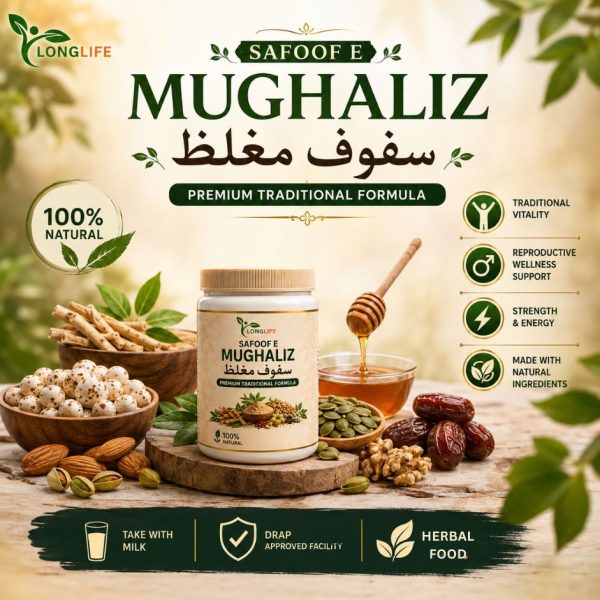
A traditional herbal safoof for reproductive wellness, used for strength and vitality.
Bawaseer Course

A complete herbal course for piles (bawaseer) care, supporting comfort and easier digestion.
Frequently Asked Questions
Q: Akseer e Maida kis kaam aata hai?
Ye aik rawaiti herbal safoof hai jo rozmarra ki hazme ki shikayaton — gas, bhari pan, bad-hazmi aur sust hazme — mein madad ke liye banaya gaya hai. Ye hazme ke nizam ko ahista ahista sahara deta hai.
Q: Akseer e Maida kab aur kaise lena chahiye?
Aam tor par ise pani ke saath khanay ke baad liya jata hai. Pack par di gayi hidayat ya hakeem/doctor ki salah par amal karein, aur baqaidgi se istemal karein.
Q: Khawateen mein qabz mardon se zyada kyun hota hai?
Khawateen ka hazma nizam ahista kaam karta hai, aur progesterone hormone aanton ki harkat ko sust kar deta hai — khaas tor par mahwari se pehle aur hamal mein. ZOE survey ke mutabiq 23% se zyada khawateen ko qabz hota hai, jabke mardon mein ye sharah taqreeban 13% hai.
Q: Gas aur pait phoolne se bachne ka sab se asaan tareeqa kya hai?
Khana ahista ahista chaba kar khayen, khanay ke baad 10–15 minute chalain, aur fizzy drinks aur gas wali cheezain kam kar dain. Fibre ahista ahista barhayen aur pani kaafi piyen.
Q: Kya Akseer e Maida hamal mein le sakti hain?
Hamal mein koi bhi herbal product lene se pehle doctor se mashwara zaroor karein. Har hamal mukhtalif hota hai, aur doctor hi behtar salah de sakta hai.
Q: Hazme ke masail kab doctor ko dikhane chahiye?
Agar pakhanay mein khoon aaye, wazan achanak kam ho, ulti musalsal ho, nigalnay mein mushkil ho, ya pait mein shadeed dard ho, to foran doctor se rujoo karein.
Hazma theek ho to zindagi asaan ho jati hai — bhook behtar lagti hai, energy barhti hai, aur rozmarra ke kaam mein dil lagta hai. Sahi khanay ki aadatein, kaafi pani, halki exercise aur Akseer e Maida jaisa herbal support mil kar aap ke hazme ko behtar bana sakte hain. Kisi bhi shadeed ya derpa sehat ke maslay ke liye doctor se mashwara zaroor karein.