
Khawateen Mein Hormonal Imbalance Ka Ilaj
خواتین میں ہارمونل امبیلنس کا علاج
Hormones jism ke wo khamosh paigham rasaan hain jo mahwari, mood, neend, wazan aur jild tak har cheez ko control karte hain. Jab in ka tawazun bigar jaye to chehre par dane, beqaida mahwari, thakan aur mood mein tabdeeli jaisi nishaniyan zahir hoti hain. Is article mein hum hormonal imbalance ki wajohat, PCOS aur thyroid ki nishaniyan, ghiza, neend aur tarz-e-zindagi ki dekh bhal par tafseel se baat karenge.
Long.pk Se Related Products
Shatavari Powder (Satawar)
Traditional women’s wellness herb, used for ages in desi home care
خواتین میں ہارمونل امبیلنس کی مکمل تفصیل
ہارمونل امبیلنس کیا ہے؟
ہارمونز جسم کے غدودوں سے نکلنے والے کیمیکل پیغام ہیں جو خون کے ذریعے جسم کے مختلف حصوں تک پہنچتے ہیں اور ان کے کام کو کنٹرول کرتے ہیں۔ خواتین میں سب سے اہم ہارمونز ایسٹروجن، پروجیسٹرون، ٹیسٹوسٹیرون (کم مقدار میں)، تھائیرائیڈ ہارمونز، انسولین اور کورٹیسول ہیں۔ جب ان میں سے کسی ایک کی مقدار زیادہ یا کم ہو جائے تو جسم کا توازن بگڑ جاتا ہے اور اسے ہارمونل امبیلنس کہتے ہیں۔
ہارمونز کا نظام بہت نازک ہے۔ نیند کی کمی، ذہنی دباؤ، غلط غذا، ورزش کی کمی یا کوئی بیماری اس توازن کو بگاڑ سکتی ہے۔ آج کل نوجوان خواتین میں ہارمونل مسائل اس لیے بڑھ رہے ہیں کہ لمبی نوکری کے گھنٹے، بے قاعدہ کھانا، دیر تک جاگنا اور مسلسل دباؤ ان کے ہارمون نظام پر بوجھ ڈال رہا ہے۔ اس مسئلے کو سمجھنا اس لیے ضروری ہے کہ اس کی نشانیاں اکثر دھیرے دھیرے ظاہر ہوتی ہیں اور عورت سمجھ نہیں پاتی کہ اصل وجہ کیا ہے۔
ہارمونل امبیلنس کی عام علامات
ہارمونل امبیلنس کی علامات ہر عورت میں مختلف ہو سکتی ہیں، کیونکہ یہ اس پر منحصر ہے کہ کون سا ہارمون متاثر ہوا ہے۔ عام نشانیوں میں ماہواری کا بے قاعدہ ہونا، ماہواری کا بہت ہلکا یا بہت زیادہ ہونا، چہرے پر ضدی دانے (خاص طور پر ٹھوڈی اور جبڑے پر)، چہرے پر غیر ضروری بال، بالوں کا پتلا ہونا یا گرنا، وزن کا بغیر وجہ بڑھنا یا کم ہونا، اور تھکن شامل ہیں۔
اس کے علاوہ موڈ میں تبدیلی، چڑچڑاپن، بے چینی، نیند کا خراب ہونا، بھوک میں تبدیلی اور میٹھا کھانے کی شدید خواہش بھی ہارمونل امبیلنس کی نشانیاں ہو سکتی ہیں۔ اگر یہ نشانیاں کئی مہینوں تک مسلسل رہیں تو انہیں نظر انداز نہیں کرنا چاہیے۔ ایک یا دو نشانیاں کبھی کبھی عام بھی ہوتی ہیں، لیکن جب کئی نشانیاں ایک ساتھ ظاہر ہوں تو ڈاکٹر سے مشورہ لینا بہتر ہے۔
پی سی او ایس — سب سے عام وجہ
پی سی او ایس (پولی سسٹک اووری سنڈروم)، جسے اب برطانیہ کی رہنمائی میں پی ایم او ایس بھی کہا جاتا ہے، خواتین میں ہارمونل امبیلنس کی سب سے عام وجہ ہے۔ یہ دنیا بھر میں بچے پیدا کرنے کی عمر کی خواتین میں سب سے عام اینڈوکرائن مسئلہ مانا جاتا ہے۔ اس میں اووریز میں چھوٹی چھوٹی تھیلیاں بن جاتی ہیں، اینڈروجن (مردانہ ہارمونز) کی مقدار بڑھ جاتی ہے اور اوولیشن کم یا نہیں ہوتی۔
پی سی او ایس کی نشانیوں میں بے قاعدہ ماہواری، چہرے پر دانے، چہرے اور جسم پر غیر ضروری بال، وزن کا بڑھنا، سر کے بالوں کا پتلا ہونا اور انسولین ریزسٹنس شامل ہیں۔ انسولین ریزسٹنس کا مطلب ہے کہ جسم انسولین کا صحیح استعمال نہیں کر پاتا، جس سے خون میں چینی اور وزن دونوں بڑھتے ہیں۔ پی سی او ایس کی تشخیص خون کے ٹیسٹ اور الٹراساؤنڈ سے ہوتی ہے۔ اس کا علاج نشانیوں اور ہر عورت کے مقصد کے مطابق ہوتا ہے، اس لیے خود سے دوائی شروع نہیں کرنی چاہیے۔
تھائیرائیڈ کی خرابی
تھائیرائیڈ گردن میں ایک چھوٹا سا غدود ہے جو جسم کی میٹابولزم، توانائی اور وزن کو کنٹرول کرتا ہے۔ جب تھائیرائیڈ کم کام کرے تو اسے ہائپوتھائیرائیڈزم کہتے ہیں — اس کی نشانیوں میں تھکن، قبض، خشک جلد، سرد محسوس ہونا اور وزن کا بڑھنا شامل ہیں۔ جب تھائیرائیڈ زیادہ کام کرے تو اسے ہائپر تھائیرائیڈزم کہتے ہیں — اس میں دل کی دھڑکن تیز ہونا، پسینہ آنا، بے چینی، نیند کی کمی اور وزن کا کم ہونا ہو سکتا ہے۔
تھائیرائیڈ کی خرابی ماہواری پر بھی اثر ڈالتی ہے اور پی سی او ایس کے ساتھ بھی اکثر پائی جاتی ہے۔ اس کی تشخیص صرف خون کے ٹیسٹ سے ہوتی ہے، علامات سے نہیں۔ اگر آپ کو تھکن، وزن میں تبدیلی اور بے قاعدہ ماہواری ایک ساتھ ہوں تو تھائیرائیڈ کا ٹیسٹ کروانا بہتر ہے۔
تناؤ، نیند اور ہارمونز
ذہنی دباؤ ہارمونز پر گہرا اثر ڈالتا ہے۔ دباؤ کے وقت جسم کورٹیسول نام کا ہارمون چھوڑتا ہے۔ اگر دباؤ مسلسل رہے تو کورٹیسول کی مقدار زیادہ رہتی ہے، جو نیند، بھوک، انسولین اور ماہواری کے ہارمونز کو متاثر کرتا ہے۔ اسی طرح نیند کی کمی بھی ہارمونز کو بگاڑ دیتی ہے۔ نیند کے دوران جسم ہارمونز کی مرمت کرتا ہے، اس لیے 7 سے 9 گھنٹے کی نیند لینا بہت ضروری ہے۔ دیر تک موبائل استعمال کرنا اور بے قاعدہ سونے کا وقت بھی نیند کے ہارمونز کو خراب کرتا ہے۔
دباؤ کم کرنے کے لیے نماز اور دعا، گہرا سانس لینا، چلنا، یا کچھ وقت خاموشی میں گزارنا مددگار ہے۔ نیند کے لیے روزانہ ایک ہی وقت پر سونا، سونے سے پہلے روشنی کم کرنا اور صبح کی دھوپ لینا فائدہ مند ہے۔
غذا اور طرز زندگی
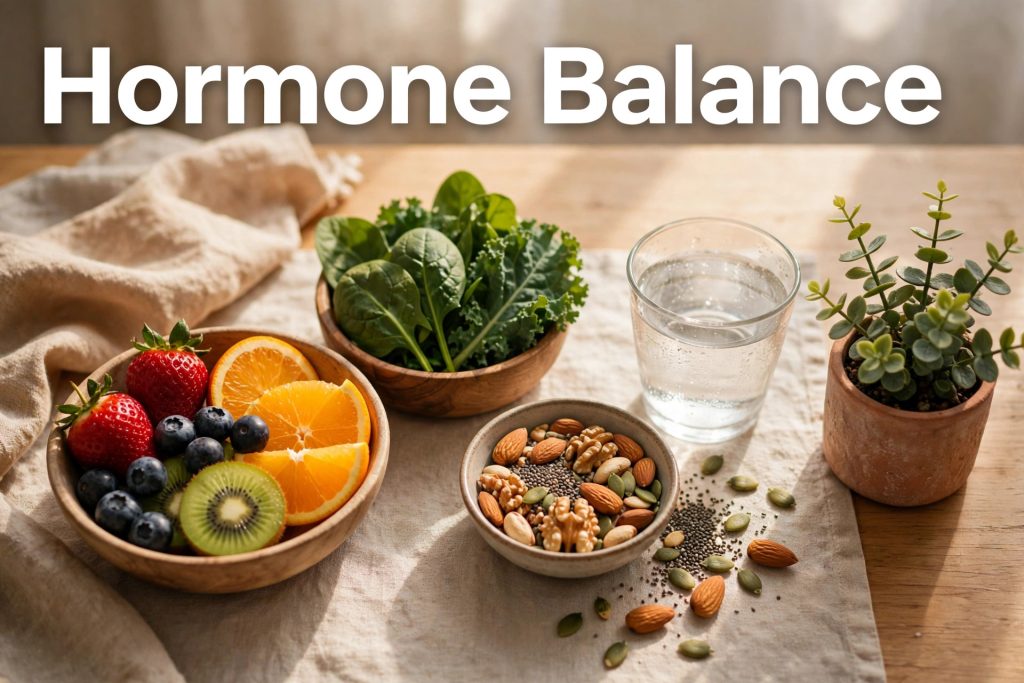
غذا ہارمونز کے توازن میں اہم کردار ادا کرتی ہے۔ صحت مند چربی جیسے زیتون کا تیل، اخروٹ، بادام، السی اور چیا کے بیج ہارمونز بنانے کے لیے ضروری ہیں۔ فائبر والی غذا جیسے سبزیاں، دال، پھل اور ثابت اناج جسم سے زیادہ ایسٹروجن باہر نکالنے میں مددگار ہے۔ کروسی فیرس سبزیاں جیسے گوبھی، بند گوبھی اور پالک جگر کو ایسٹروجن کو صاف کرنے میں مدد دیتی ہیں۔
ہر کھانے میں پروٹین شامل کریں — انڈے، دال، دودھ، دہی یا گوشت۔ پروٹین خون کی چینی کو مستحکم رکھتا ہے، جس سے انسولین بھی توازن میں رہتا ہے۔ میٹھی چیزیں، پیکٹ والی غذا، تلے ہوئے کھانے اور زیادہ چائے کافی سے پرہیز بہتر ہے۔ کھانا وقت پر اور متوازن مقدار میں کھانا بھی ہارمونز کے لیے فائدہ مند ہے۔
ورزش بھی ہارمونز کے لیے دوا کی طرح ہے۔ روزانہ 30 منٹ تیز چلنا انسولین کو بہتر کرتا ہے۔ ہفتے میں دو دفعہ ہلکی وزنی ورزش (ریزسٹنس ٹریننگ) پی سی او ایس کی رہنمائی میں پہلی سفارش ہے۔ یوگا اور ہلکی ورزش کورٹیسول کم کرتی ہے۔ لیکن حد سے زیادہ سخت ورزش بھی ہارمونز کو بگاڑ سکتی ہے، اس لیے توازن ضروری ہے۔
کب ڈاکٹر سے رجوع کریں
اگر ماہواری تین مہینے یا اس سے زیادہ عرصے تک بے قاعدہ رہے، وزن بغیر وجہ بڑھے یا کمے، تھکن نیند سے بھی دور نہ ہو، بال مسلسل گرتے رہیں یا جوانی کے بعد چہرے پر نئے دانے نکلنے لگیں، تو ڈاکٹر سے خون کے ٹیسٹ کروانا چاہیے۔ تھائیرائیڈ، پی سی او ایس اور دوسری ہارمونل بیماریوں کی تشخیص ٹیسٹ سے ہوتی ہے اور ان کا علاج طبی نگرانی میں ہوتا ہے۔ طرز زندگی کی تبدیلی انسولین اور کورٹیسول جیسے ہارمونز کو بہتر کر سکتی ہے، لیکن تھائیرائیڈ یا پی سی او ایس جیسی بیماری کا علاج صرف غذا سے نہیں ہوتا۔ یہ مضمون صرف معلومات کے لیے ہے، شدید یا لمبی علامت کے لیے ڈاکٹر سے مشورہ لینا ضروری ہے۔

Hormonal Imbalance in Detail
Hormones are chemical messengers produced by glands and carried through the blood to organs and tissues, where they control almost everything — your menstrual cycle, mood, sleep, weight, skin and energy. In women the key hormones include estrogen, progesterone, testosterone (in small amounts), thyroid hormones, insulin and cortisol. When any of these is too high or too low, the balance is disturbed, and that is what doctors call a hormonal imbalance.
Hormonal disorders are becoming more common among young women, and experts link the trend to modern lifestyle habits: long working hours, irregular meals, poor sleep, little physical activity and chronic stress. These pressures place a constant load on the hormone-producing glands, and the symptoms often appear gradually, which is why many women do not connect them at first.
Common symptoms include irregular periods, very light or very heavy bleeding, stubborn acne (especially on the chin and jaw), excess facial hair, hair thinning, unexplained weight gain or loss, constant fatigue, mood swings, anxiety, poor sleep, sugar cravings and digestive changes. One or two of these now and then can be normal, but several together, lasting for months, are worth investigating.
PCOS (polycystic ovary syndrome), now also called PMOS in UK guidance, is the most common endocrine disorder in women of reproductive age worldwide. In PCOS, small cysts form on the ovaries, androgen (male hormone) levels rise, and ovulation happens rarely or not at all. Signs include irregular cycles, acne, unwanted facial and body hair, weight gain, scalp hair thinning and insulin resistance — where the body does not use insulin properly, raising blood sugar and weight. Diagnosis needs blood tests and sometimes an ultrasound, and treatment depends on each woman’s symptoms and goals.
Thyroid disorders are the other major cause. The thyroid gland in the neck regulates metabolism and energy. Hypothyroidism (underactive thyroid) causes fatigue, constipation, dry skin, feeling cold and weight gain. Hyperthyroidism (overactive thyroid) causes a rapid heartbeat, sweating, anxiety, sleep problems and weight loss. Thyroid problems also disturb periods and often occur alongside PCOS. They can only be confirmed by a blood test, not by symptoms alone.
Stress has a direct effect on hormones. Under stress the body releases cortisol, and when stress is chronic, cortisol stays high, disrupting sleep, appetite, insulin sensitivity and reproductive hormones. Poor sleep does the same — the body repairs and regulates hormones overnight, so 7–9 hours of sleep on a regular schedule is one of the strongest levers for hormonal health. Going to bed at the same time each night, dimming lights before bed and getting bright morning light all help anchor the cortisol rhythm.
Diet plays a real role. Healthy fats — olive oil, nuts, seeds, fatty fish — provide the building blocks for steroid hormones like estrogen and progesterone. Fibre (25–30 grams a day from vegetables, legumes, whole grains and fruit) helps the gut excrete excess estrogen instead of reabsorbing it. Cruciferous vegetables such as cabbage, cauliflower and leafy greens help the liver metabolise estrogen. Protein at each meal (roughly 20–30 grams) steadies blood sugar and insulin. Low-glycaemic, high-fibre, antioxidant-rich diets have been shown to improve hormonal and metabolic outcomes in women with PCOS. Processed foods, excess sugar and fried foods work against all of this.
Exercise is equally important. Regular movement improves insulin sensitivity measurably within weeks. Resistance training twice a week is positioned as first-line lifestyle treatment in the international PCOS guideline, because it improves insulin sensitivity and lowers free testosterone. Easy-paced cardio such as brisk walking supports metabolic health without spiking cortisol the way constant intense training can.
It is important to be honest about what lifestyle can and cannot do. Lifestyle genuinely improves insulin sensitivity, cortisol patterns and sleep-linked hormones. It does not fix thyroid disease, PCOS itself or menopause — those need medical care. See a doctor for bloodwork if your periods have been irregular for three months or more, if your weight changes without explanation, if fatigue does not improve with sleep, if your hair keeps thinning, or if new acne appears in adulthood. This article is general information only — for serious or lasting symptoms, please consult a doctor.
Long.pk Se Related Products
Libi-DO Booster For Women
Rs 2,500 Rs 4,000
A herbal wellness blend made for women’s everyday vitality
Likoria Course
Rs 2,500 Rs 3,500
A herbal course for women’s intimate wellness, made with traditional desi herbs
Roman Urdu Mein Tafseel
Hormonal imbalance ka matlab hai ke jism ke hormones ka tawazun bigar gaya hai. Hormones wo chemical paigham hain jo mahwari, mood, neend, wazan aur jild ko control karte hain. Jab in mein se koi hormone zyada ya kam ho jaye to jism mein kayi nishaniyan zahir hoti hain.
Aam nishaniyon mein beqaida mahwari, chehre par dane, chehre par ghair zaroori baal, baalon ka girna, wazan ka barhna ya kam hona, thakan aur mood mein tabdeeli shamil hain. Agar ye nishaniyan kayi mahinon tak rahen to inhein halka nahi lena chahiye.
PCOS is ki sab se aam wajah hai. Is mein ovaries mein chhoti theliyan ban jati hain, mardana hormones barh jate hain aur ovulation kam hoti hai. Is se mahwari beqaida hoti hai, chehre par dane nikalte hain aur wazan barhta hai. Thyroid ki kharabi bhi aisi hi nishaniyan paida karti hai — thakan, wazan mein tabdeeli aur mahwari ka bigarna. Dono ki tashkhees khoon ke test se hoti hai.
Tension aur neend ki kami bhi hormones ko bigaarti hai. Dabao se cortisol barhta hai, jo neend, bhook aur mahwari par asar daalta hai. Rozana 7 se 9 ghante ki neend lena aur waqt par sona hormones ke liye bohat faida mand hai.
Ghiza mein sehatmand charbi (zaitoon ka tel, akhrot, alsi), fiber (sabziyan, daal, phal), aur protein (anday, doodh, daal) shamil karen. Meethi aur packet wali ghiza se parhez karen. Rozana 30 minute chalna aur haftay mein do dafa halki wazni warzish bhi hormones ko behtar karti hai.
Yaad rahe ke tarz-e-zindagi ki tabdeeli insulin aur cortisol ko behtar kar sakti hai, lekin thyroid ya PCOS ka ilaj sirf ghiza se nahi hota — is ke liye doctor ka mashwara zaroori hai. Agar mahwari teen mahine tak beqaida rahe ya wazan baghair wajah badle to test karwa len. Ye maloomat sirf rehnumai ke liye hai, shadeed ya lambi alamat ke liye doctor se mashwara lena zaroori hai.
Rozana ki routine mein aik muqarar waqt par sona aur uthna hormones ke liye sab se asaan aur moassar aadat hai. Jab sone jaagne ka waqt har roz badalta rehta hai to jism ki androoni ghari kharab ho jati hai aur cortisol ka tawazun bigarta hai. Koshish karen ke raat ko aik hi waqt par soyen, subah ki dhoop mein thora waqt guzaren aur nashta kabhi na chhoren — khali pait rehne se bhi khoon ki cheeni girti hai aur hormones par bojh parta hai.
Ghiza ke mamle mein aik aur aham baat ye hai ke khana sirf kya khana hai, is se nahi, balkay kab aur kitna khana hai, is se bhi farq parta hai. Raat ko dair se bhari khana khane se neend kharab hoti hai aur wazan bhi barhta hai. Khane mein meethi cheezain kam karen aur har khane mein protein aur sabzi zaroor shamil karen. Agar aap ko meetha khane ki shadeed khwahish hoti hai to ye bhi aik nishani ho sakti hai ke khoon ki cheeni ka tawazun bigra hua hai — is surat mein doctor se mashwara lena behtar hai.
Aik aur aadat jo hormones ko behtar karti hai wo hai rozana thora waqt khud ke liye nikalna — chalna, gehra saans lena ya koi pasandeeda kaam karna. Musalsal dabao mein rehna cortisol ko barhata hai, aur cortisol barhne se neend, bhook aur mahwari sab mutasir hote hain. Chhoti chhoti khushiyan aur aaram bhi sehat ka hissa hain, inhein fazool na samajhen.
Long.pk Se Related Products
Shatavari Powder (Satawar)
Traditional women’s wellness herb, used for ages in desi home care
Libi-DO Booster For Women
Rs 2,500 Rs 4,000
A herbal wellness blend made for women’s everyday vitality
FAQs – Aksar Pooche Jane Wale Sawalat
Hormonal imbalance ki sab se aam nishaniyan kya hain?
Beqaida mahwari, chehre par ziddi dane, chehre par ghair zaroori baal, baalon ka patla hona, wazan mein tabdeeli, thakan aur mood mein tabdeeli sab se aam nishaniyan hain.
PCOS aur hormonal imbalance mein kya farq hai?
PCOS hormonal imbalance ki aik khaas wajah hai, jis mein ovaries mein chhoti theliyan, androgen ka barhna aur ovulation ki kami hoti hai. Hormonal imbalance aik wasee lafz hai jo thyroid, stress aur dosri wajohat ko bhi cover karta hai.
Kya ghiza se hormones theek ho sakte hain?
Ghiza insulin, cortisol aur neend se mutaliq hormones ko behtar kar sakti hai. Lekin thyroid ki bimari ya PCOS ka ilaj sirf ghiza se nahi hota — in ke liye tibbi ilaj zaroori hai.
Neend ka hormones se kya taluq hai?
Neend ke dauran jism hormones ki marammat karta hai. 7 se 9 ghante ki neend cortisol, insulin aur bhook ke hormones ko tawazun mein rakhti hai. Neend ki kami in sab ko bigaar deti hai.
Hormonal imbalance ke liye kaun se test hote hain?
Doctor aam tor par khoon ke test se thyroid hormones, sex hormones aur insulin resistance check karta hai. PCOS ke liye ultrasound bhi ho sakta hai. Tashkhees hamesha test se hoti hai, sirf alamat se nahi.
Kab doctor se milna chahiye?
Agar mahwari teen mahine tak beqaida rahe, wazan baghair wajah badle, thakan neend se door na ho, ya baal musalsal girte rahen, to doctor se khoon ke test karwana chahiye.
Hormonal tawazun sehatmand zindagi ki buniyad hai — sahi ghiza, neend aur waqt par doctor se mashwara is ki kunji hai.